
"Coffee for Taiwan"
8000 article(s) found

The flavor of Mazu coffee.
Alishan coffee is the most special and superior coffee in Taiwan, and its output is relatively small, and it is precious because it is rare. Alishan, located 75 kilometers east of Chiayi City, Taiwan, is located above 2000 meters above sea level, adjacent to the Yushan Mountains and Yushan National Park in the east, surrounded by high mountains, with a cool climate, with an average temperature of 10.6 degrees Celsius in summer and 14.3 degrees Celsius in summer. the average temperature in winter is 6.4 degrees Celsius. Drink

Introduction of cafes with Taiwanese characteristics: if you don't soak in these cafes in Taiwan, you will go for nothing!
Coffee boutique life to travel to Taiwan, be sure to find a cafe for half a day, slowly feel Taiwan's unique cultural flavor and artistic temperament. The following six cafes, with old brands, newcomers, traditions and alternatives, have their own characteristics, which reflect the diversity of Taiwan in different ways, and are a cultural experience that can not be missed when traveling to Taiwan. Witch shop: heavy flavor, small and fresh
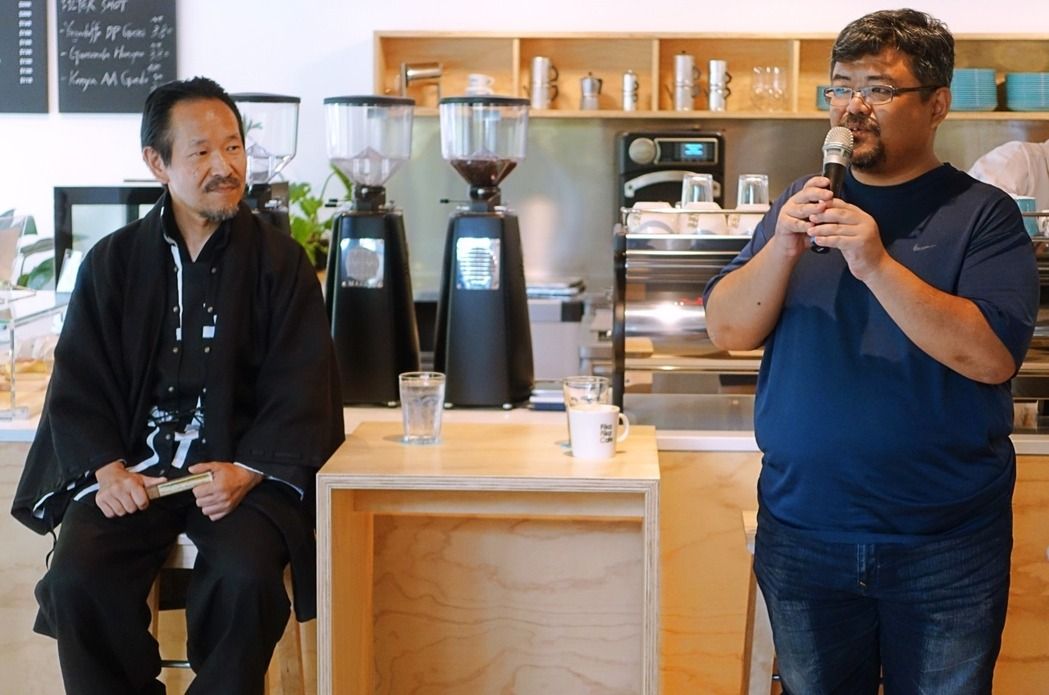
Taiwan Coffee Masters meet with Yoshiya Shimi and Chen Zhihuang to talk about what is meant by "good coffee".
For the exchange of professional baristas, please pay attention to the coffee workshop (Wechat official account cafe_style). Taiwan not only has its own roasting cafes in full bloom, but also has grown its own coffee beans significantly. The first Taiwan-Japan Coffee Multicultural Exhibition (Culture Coffee Festival in Taipei) held this year has just ended, and the next day a small Taiwan-Japan coffee exchange was held on Fika Fika Caf.

A brief introduction to the altitude and climate of the cultivation of Mazu coffee in Alishan, Taiwan
In 1941 (the 16th year of Rizhaohe), most of the raw beans were shipped back to Japan. The planting area of coffee in Taiwan has reached 75 hectares, and it was called the largest coffee factory in the far East in its heyday. In 1945 (Rizhaohe 20 years), the area of coffee cultivation in Taiwan expanded to 113 hectares after the war. After the surrender of Japan, Taiwan was restored, and the national government strongly advocated the reclamation of fertile land and the cultivation of cash crops.
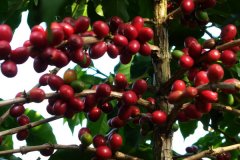
Taiwan Coffee Culture Coffee in Taiwan
In the 18th century, in 1884 (Guang Xu's 10th year), the British introduced coffee for trial planting in the three Gorges of Taipei. during the Japanese occupation era, the Japanese saw that Taiwan's climate and soil were suitable for coffee, so they introduced "Arabica" from abroad and successfully planted it in the north. Mizuho invested a lot in planting and had a good yield. In the 19th century, in 1941, the output was rich, the quality and flavor was good, which made coffee in Taiwan's complete victory period. No.

What are the characteristics of Alishan coffee in Taiwan? is it suitable for growing coffee in Taiwan?
In Alishan, Taiwan, China, about 1200 meters above sea level, the dry aroma of Tieka flavor wine brewed berries, pineapples and mangoes, tropical fruit wine with aromas of fragrant cheese and honey, and obvious cherry flavor after temperature drop. The tail rhyme is dry longan and honey sweet. Taiwan has been the largest producer of coffee beans in East Asia since the Japanese occupation.

Where can I buy authentic alpine oolong tea in Taiwan? What kind of tea is used in Taiwan milk tea?
Walking on a street in Taiwan, you will soon notice the teahouse. You will see teenagers drinking pearl milk tea poured on sparkling cassava pearls. There will be teahouses and fragrant teas: black, green, white and then there will be the tea that connoisseurs are asking: Alpine oolong tea. Like Panamanian rosy summer coffee, alpine oolong tea is the most precious in Taiwan.
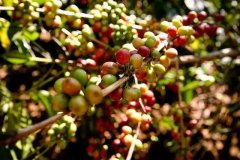
Taiwan Coffee Flavor Coffee Taiwan Coffee Culture
In the 18th century, in 1884 (Guang Xu's 10th year), the British introduced coffee for trial planting in the three Gorges of Taipei. during the Japanese occupation era, the Japanese saw that Taiwan's climate and soil were suitable for coffee, so they introduced "Arabica" from abroad and successfully planted it in the north. Mizuho invested a lot in planting and had a good yield. In the 19th century, in 1941, the output was rich, the quality and flavor was good, which made coffee in Taiwan's complete victory period. No.
Boutique coffee, Alishan coffee, Taiwan, Alishan coffee.
Alishan Mafeel coffee belongs to alpine coffee and belongs to the high-quality boutique coffee in Taiwan. It ranks first in Asia and eighth in the world. Coffee trees are mainly planted in southern Taiwan, such as Alishan in Chiayi County, Taiwan. because of its high altitude, Alishan is not only suitable for growing tea, but also more suitable for growing coffee. Belong to coffee

Taiwan Coffee grows Taiwan Coffee beans Taiwan Coffee
The term "fine coffee" was first put forward by Ms. Knudsen of the United States in Coffee and Tea magazine. At that time, Ms. Knudsen, as a coffee buyer at B.C. Ireland in San Francisco, was very dissatisfied with the neglect of the quality of raw coffee in the industry, and even some big roasters mixed a large amount of Robesda beans in the comprehensive beans, so she put forward the concept of boutique coffee.

Taiwan tea production area Wenshan bao tea, Gaoshan tea, frozen top oolong tea, Tieguanyin flavor
If coffee is an indispensable drink for Westerners every day, then tea, which has a history of more than a thousand years, is the most important beverage culture in the eastern world. Among them, due to geography, climate, history and other development factors, Taiwan tea occupies a very important position in the world tea drink, and can definitely be called the light of Taiwan! Know Taiwan Tea Taiwan belongs to the island, the area is not
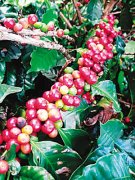
Taiwan coffee flavor Taiwan grows its own coffee
In the 18th century, in 1884 (Guang Xu's 10th year), the British introduced coffee for trial planting in the three Gorges of Taipei. during the Japanese occupation era, the Japanese saw that Taiwan's climate and soil were suitable for coffee, so they introduced "Arabica" from abroad and successfully planted it in the north. Mizuho invested a lot in planting and had a good yield. In the 19th century, in 1941, the output was rich, the quality and flavor was good, which made coffee in Taiwan's complete victory period. No.

Taiwan Coffee Man: teach you to drink the coffee that suits you (picture)
Taiwan Strait Network, January 26 (Straits Guide reporter Yang Siping intern Zhang Shiqin Wen / photo) what is the role of the small details in the design of the siphon pot? Last weekend, Liu Jiawei, a teacher from Taiwan, gave a wonderful lecture to coffee lovers in Xiamen for two days at FCR Cafe in Xiamen. Liu Jiawei won the 2010 Taiwan siphon contest and won the World Cup on behalf of Taiwan.

A brief introduction to the Origin, Development and planting Environment of Mazu Coffee in Alishan
In 1941 (the 16th year of Rizhaohe), most of the raw beans were shipped back to Japan. The planting area of coffee in Taiwan has reached 75 hectares, and it was called the largest coffee factory in the far East in its heyday. In 1945 (Rizhaohe 20 years), the area of coffee cultivation in Taiwan expanded to 113 hectares after the war. After the surrender of Japan, Taiwan was restored, and the national government strongly advocated the reclamation of fertile land and the cultivation of cash crops.

Taiwan Coffee Plantation Introduction Taiwan Coffee Plantation
In 2006, thousands of coffee trees imported from Taiwan officially made their home on a hillside in Xiaoxiang Town, Gaoyao. Our boss is Taiwanese, he and his family are very fond of planting coffee trees, when he came to Zhaoqing to develop the electronics industry, he also specially brought high-quality Arabica varieties of coffee trees from Taiwan, planted in Zhaoqing this hot land. Speaking of coffee trees,

How about Taiwan coffee? Where is the best flavor of Taiwan coffee beans? What are the characteristics
Professional coffee knowledge exchange More coffee bean information Please pay attention to coffee workshop (Weixin Official Accounts cafe_style) Front Street-Taiwan Coffee Introduction is also located in the north and south latitude coffee planting gold belt of China Taiwan, the famous Alishan no matter altitude, air, local brewing quality, temperature, are very suitable for roasting high-end quality good coffee beans. However, since 1884, the British

Han Huaizong's retirement life-even if you don't drink it, you have to know what's so good about table coffee.
Professional coffee knowledge exchange more coffee bean information Please follow the Coffee Workshop (official Wechat account cafe_style) Taiwan's outstanding performance in various world coffee competitions in recent years has enabled more and more tourists to travel to Taiwan, in addition to the previous night market snack stalls, the coffee shop pilgrimage has been added to the itinerary option. Taiwan's historical heritage has created the diversity of our coffee culture, from 18.

Taiwan Coffee beans-Lugu & #8231; Taiyi Manor
The Jazz Manor from Lugu in Taiwan even sells raw coffee beans to Japan, which can be said to be from the Light of Taiwan.

Taiwan coffee introduction of Wujia Manor Coffee in Alishan, Taiwan.
Professional coffee knowledge exchange more coffee bean information please follow the coffee workshop (Wechat official account cafe_style) after drinking the first sip of Taiwan coffee, the tip of the tongue slowly changed from bitter to sweet, the sweet, mellow, rich taste lingered in the mouth for a long time, when the temperature dropped slightly to 85 ℃, the unforgettable taste came back to the heart again, perhaps with a little almonds
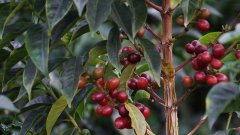
Popular Taiwan Coffee Alishan Coffee beans Fine Coffee Taiwan Coffee text
When it comes to Asian coffee, the first impression of coffee lovers is often calm and calm. Asian coffee is generally characterized by thick flavor, strong sweetness and round taste, but slightly flat aroma and brightness. It is precisely because of the heavy nature of Asian coffee that it is very suitable to be used as a base when making Italian coffee. Raw coffee beans in Asia are generally processed by wet or semi-wet methods.